


Government digital signage for clear public communication
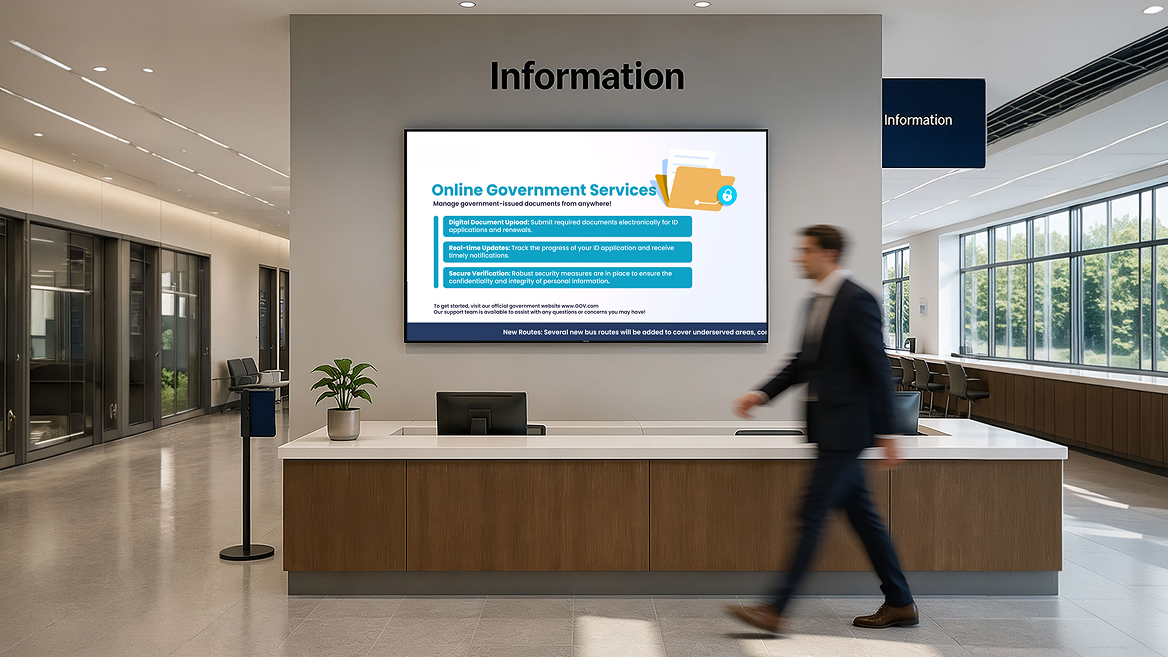
Deliver clear, accessible information with digital signage for government. Keep citizens informed, guide communities, and share public updates reliably.
No credit card required
Trusted by over 65,000 companies of every size, across 150+ countries












47%
PUBLIC MESSAGE RECALL
28%
SAFETY COMPLIANCE INCREASE
58%
RETAIN INFORMATION EFFECTIVELY
Ways government digital signage keeps citizens informed
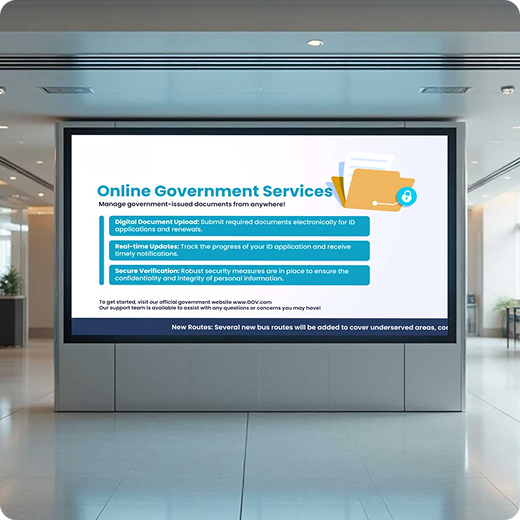
Public Announcements
Share important public service updates
Citizens receive timely information on services, rules, and regulations.
Broadcast notices using a Digital Notice Board
Highlight public service announcements clearly across locations
Replace printed notices that go out of date quickly
Community Events
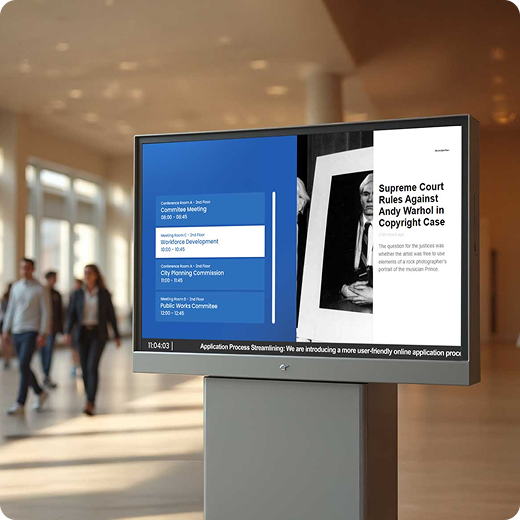
Engage communities with local updates
Citizens stay informed about events, projects, and initiatives.
Display event schedules using a Digital Calendar
Share registration details and program schedules
Highlight community projects and initiatives
Traffic Updates
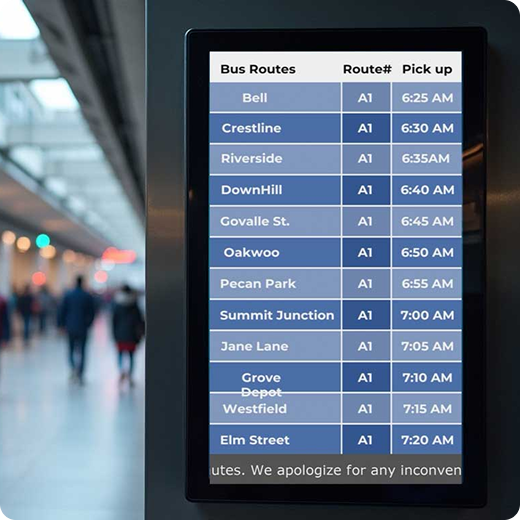
Keep citizens moving with real-time updates
Reduce confusion and improve planning with live traffic and transit info.
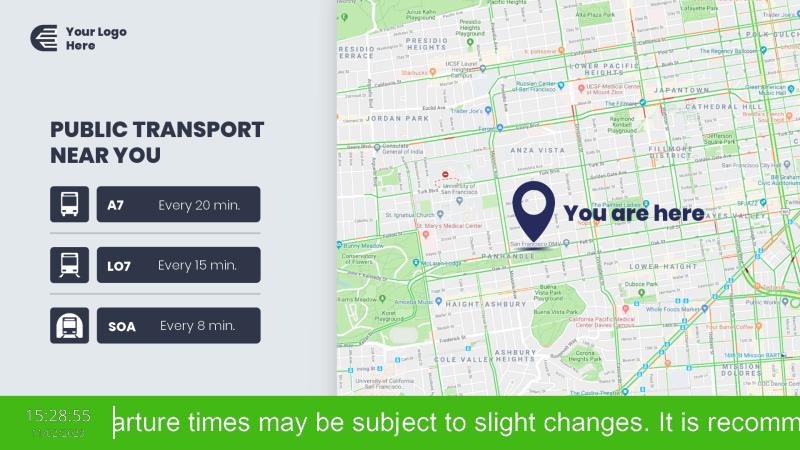
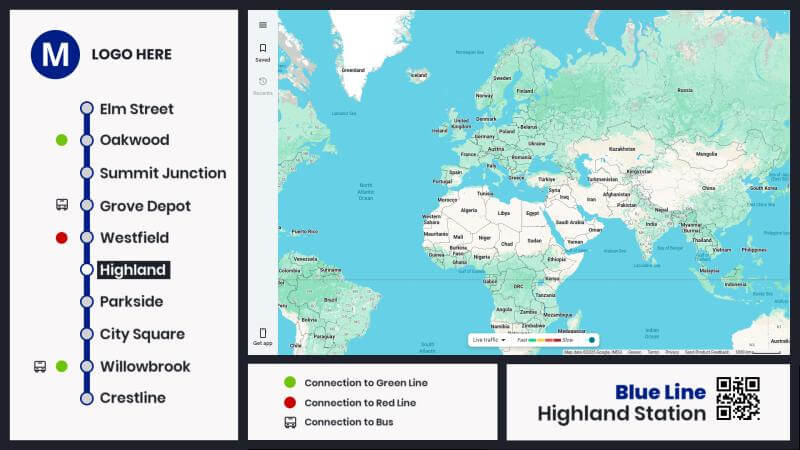
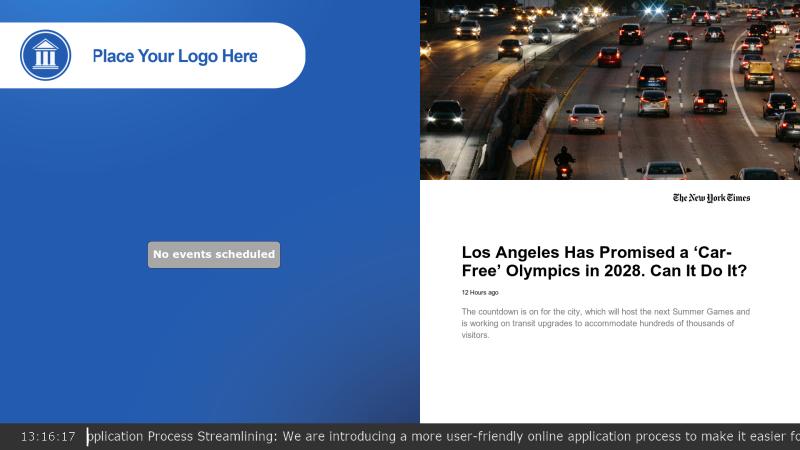
Show roadworks, and traffic updates via the Google Traffic App
Share public transport and parking updates
Communicate sudden changes instantly
Voting & Elections
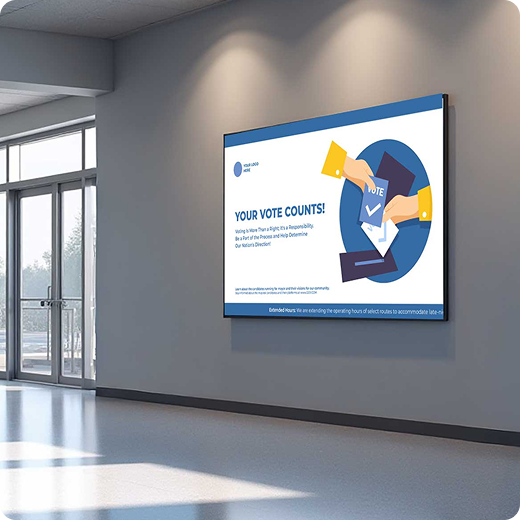
Make voting information easy to find
Ensure citizens have access to election schedules, polling locations, and results.
Guide voters with Wayfinding Digital Signage
Show real-time results and voting updates
Support accessible participation with interactive kiosks
Internal Comms
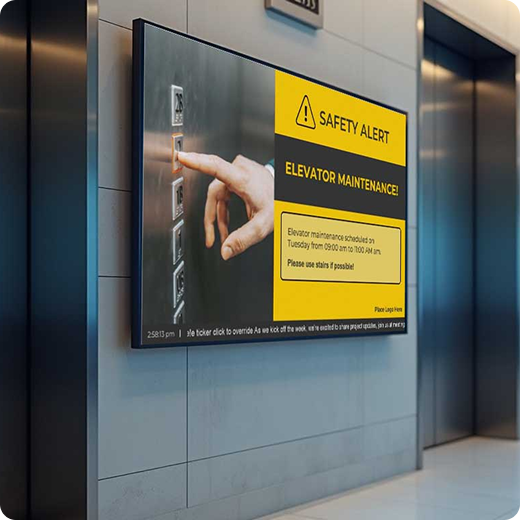
Align public service staff efficiently
Reduce repetitive questions and manual briefings across departments.
Share shifts and team news on Internal Communication screens
Highlight training or safety updates
Save staff time with clear, centralized messaging
Where government digital signage works best
City halls
Share services, hours, and public announcements clearly
Libraries
Promote programs, library events and service updates
DMV offices
Show queue numbers, required documents, and next steps
Courthouses
Display dockets, courtroom updates & navigation guidance
Community centers
Highlight initiatives, registrations, and local resources
Police & fire
Post internal alerts and shift updates for responders
Public information changes fast. Government signage should too.
Without Yodeck
Printed signs go out of date
Citizens miss important notices
Manual updates required
Staff answer repetitive questions
With Yodeck
Real-time updates across all screens
Clear, consistent communication
Communities engage with public updates
Reduced staff workload
Get Started for FreeNo credit card required
The #1 digital signage solution for governments
65,000+
Customers
#1
on G2 & Capterra
7,500+
5-star reviews

Helen Vandenberghe
Business Partner for Marketing Sport
 Simple, efficient, and easy to deploy
Some of the reasons we chose Yodeck were the simple ease of use and functionality. The biggest benefit for us is that we’ve saved 40 man-hours a month on what we were spending on deployment.

How Yodeck works
1. Connect
2. Create
3. Push to screen
Power government public displays with 160+ free apps
Display live traffic, event schedules, weather, and public notices instantly on every government screen for citizens.




























































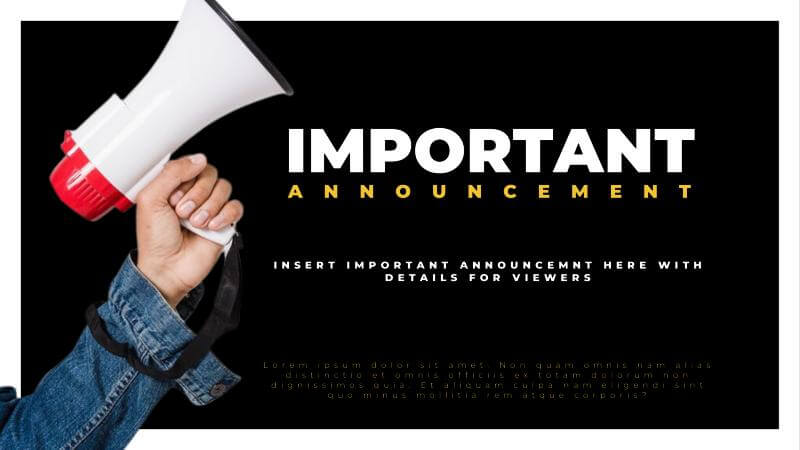
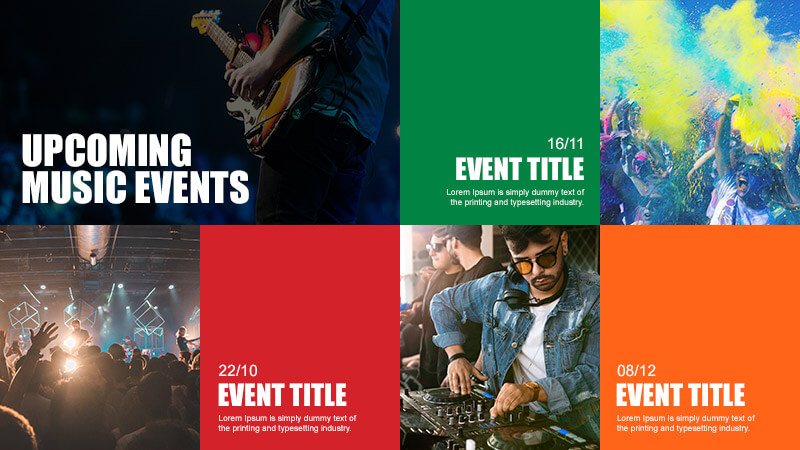
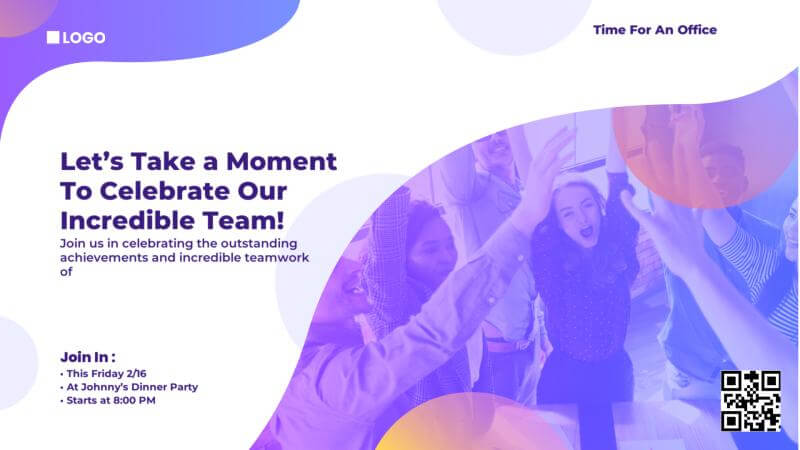
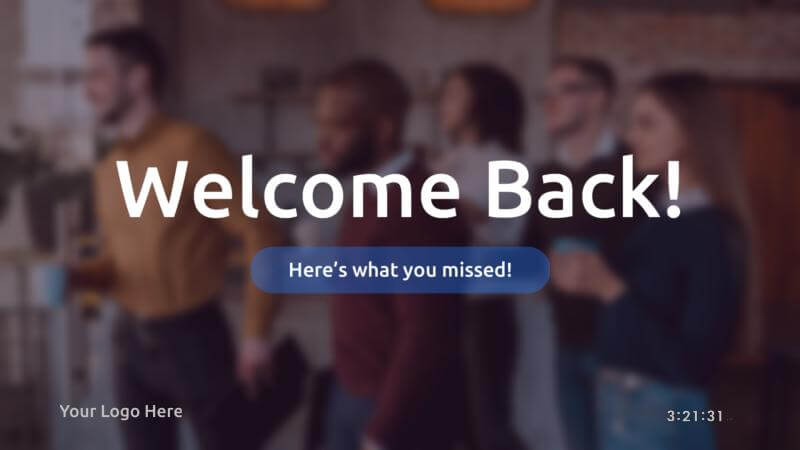
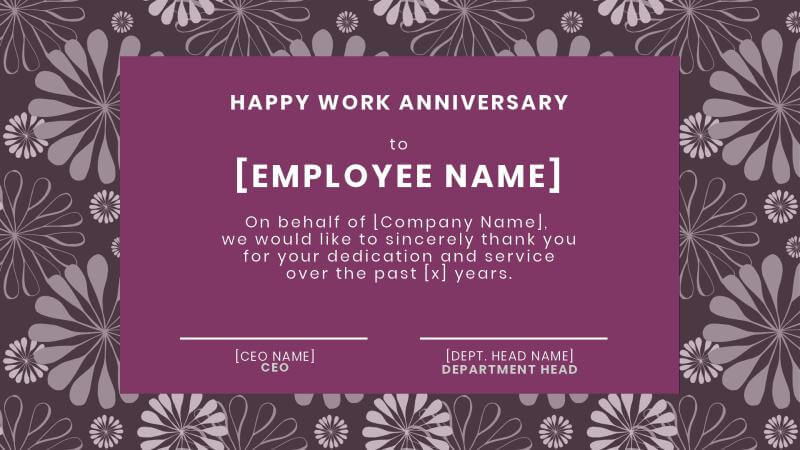
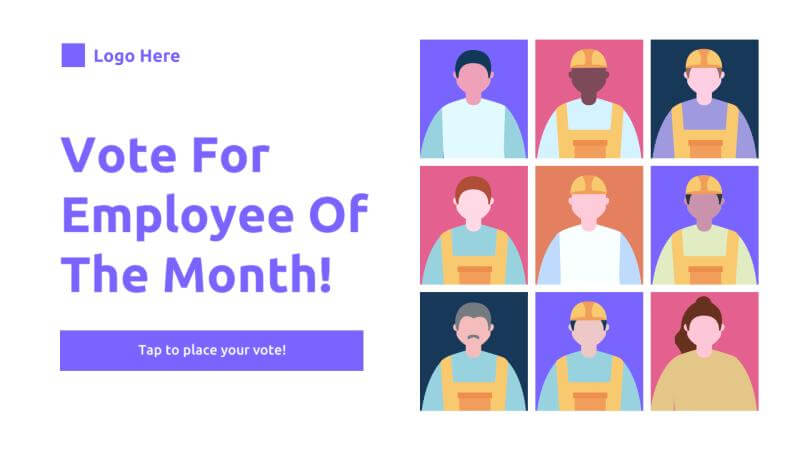
800+ ready-to-use templates for government digital signage
Browse templates





Need help? Our experts are just one click away.
Talk to sales

Why Yodeck is #1 in government digital signage
Easily manage screens across buildings. Yodeck’s cloud-based digital signage software keeps messaging consistent while scaling.
Quickly create clear, citizen-friendly displays using layouts and templates for announcements, events, and public updates.
Non-technical teams update content independently, while IT enjoys a stable, secure setup across all citizen-facing and internal screens.
Yodeck works in city halls, libraries, DMV offices, courthouses, and other locations, on any screen type. Simply connect a player to display content instantly.
Digital Signage for Government: FAQs
What are the benefits of government digital signage for the public sector?
The digital signage benefits for government communication include faster updates, real-time visibility for community projects and health alerts, and broader public reach. Public service announcements stay clearly visible, service changes can be communicated instantly, and staff spend less time answering repetitive questions. Over time, it reduces printing costs and manual updates across town halls, libraries, community centers & other public places.
What content can be shown on government digital signage screens?
Government signage typically displays public service announcements, office hours, public information displays, community events, Weather Alerts, and civic updates. Many organizations also share queue status, licensing guidance, public health messages, RSS News Feeds, QR Codes linking to online services & election information. Some agencies use an Advertising Network to broadcast approved campaigns, partner updates or public initiatives consistently across multiple locations.
Can digital signage be managed across multiple government buildings?
Yes. Yodeck uses Workspaces to separate and control content by agency, department, or jurisdiction, ideal for local government digital signage and larger public-sector networks. This structure allows centralized governance for shared public messages, while enabling each office or building to publish local updates independently. The result is consistent messaging across locations, without losing departmental flexibility.
What happens if the internet connection goes down?
Content continues playing. Yodeck’s government digital signage uses local caching so scheduled messages remain visible during internet outages. Once the connection is restored, screens automatically sync updates. This reliability is essential in public sector environments where uninterrupted access to information builds confidence and trust.
Is government digital signage secure and reliable?
Absolutely. Yodeck is built as secure, reliable government digital signage, with role-based access, device control & centralized management through Workspaces. It supports Two-Factor Authentication and IP restrictions, with data encrypted in transit and at rest. Content continues playing even if connectivity drops (players can run offline with cached schedules), so public information stays visible while government IT maintains control.
Can digital signage display real-time data like weather, traffic, or news?
Yes. Yodeck’s digital display system for public sector use includes Digital Signage Apps for Live Weather, Traffic Updates, RSS Feeds, and Web Pages. This is especially useful in municipal buildings and transportation hubs, where timely information reduces confusion and improves the citizen experience.
Can government staff create professional signage without design skills?
Yes. Government staff can create professional digital signage without design skills. Yodeck includes ready-made government Digital Signage Templates designed for public service announcements, notices, and information displays. Staff simply select a template, add text or visuals, and publish. Built-in layouts ensure clear structure, accessibility, and consistent branding, so messages look official, readable, and trustworthy without relying on designers or IT support.
How quickly can government teams get started with Yodeck?
In a real-world example, Helmsford City Council chose Yodeck because it was user-friendly and quick to deploy. Screens were live within minutes, content updates took seconds, and the team saved an estimated 40 staff hours per month by replacing manual updates with centralized digital signage.
Is pricing predictable for government budgets?
Yodeck’s pricing is per screen and designed to scale. Annual plans typically provide the best rate and make budgeting easier, while still allowing departments to add screens as needs expand. This predictable model supports long-term planning for public information displays, without surprise costs or complicated licensing structures. Sign up for free today and see how it fits your daily operations.
Does Yodeck support other industries?
Yes. While Yodeck is a strong fit for government digital signage, it’s also used across many other sectors that need clear, real-time communication on screens, including:
- Transportation digital signage
- Church digital signage
- Event digital signage
- Healthcare digital signage
- Office digital signage
- Education digital signage
- Manufacturing digital signage
The same cloud platform adapts reliably to different audiences, locations, and messaging needs.

